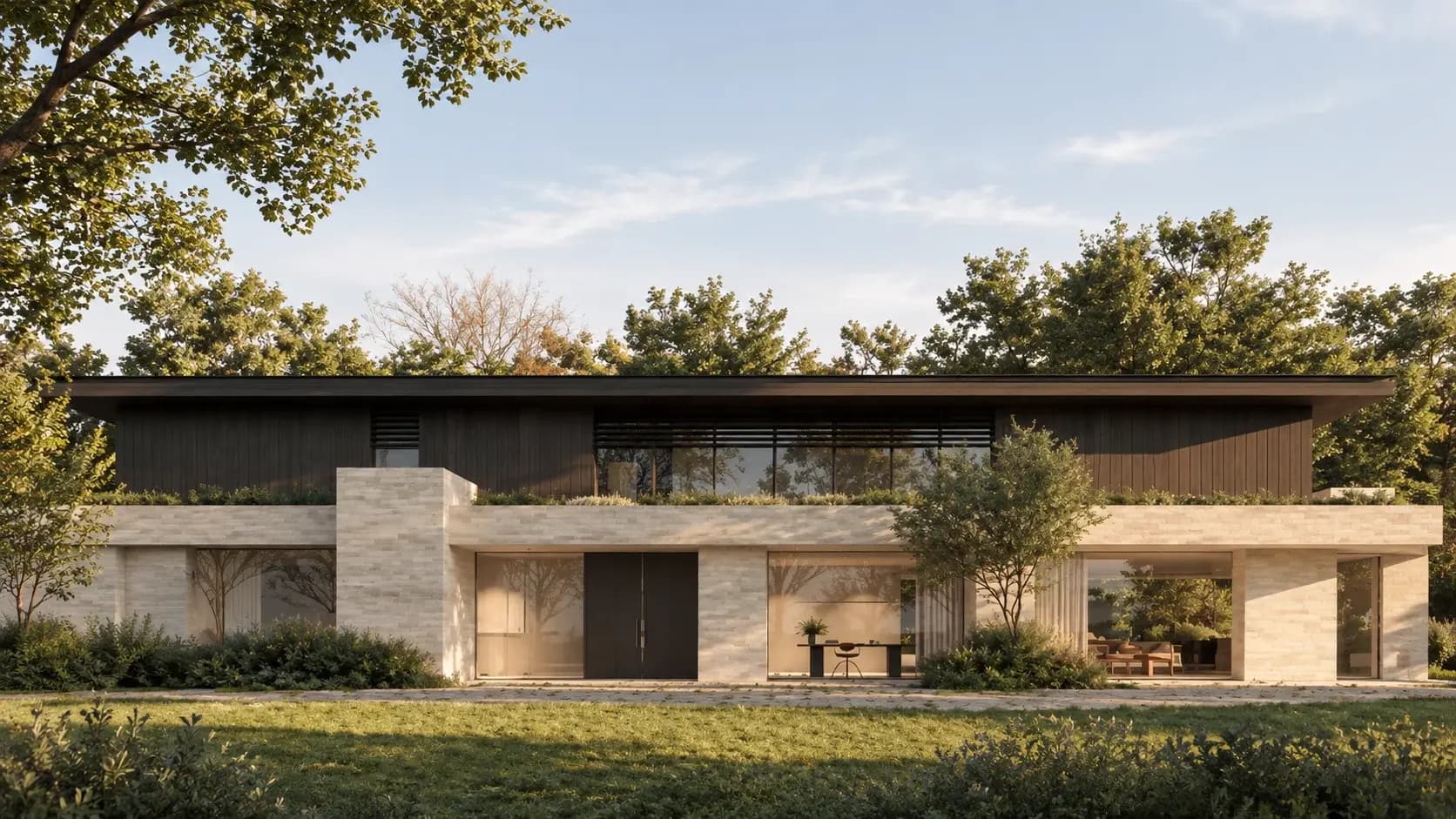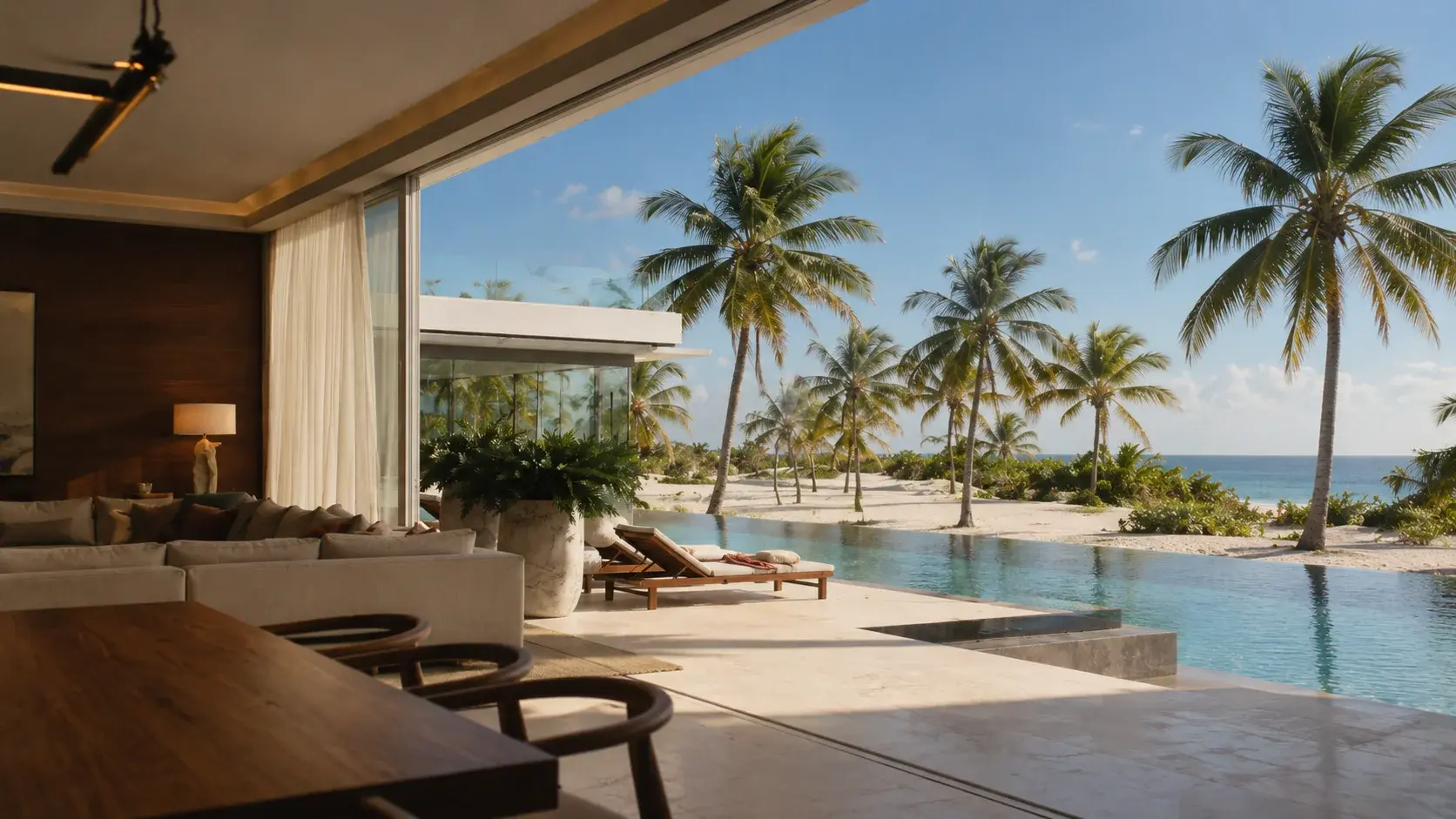

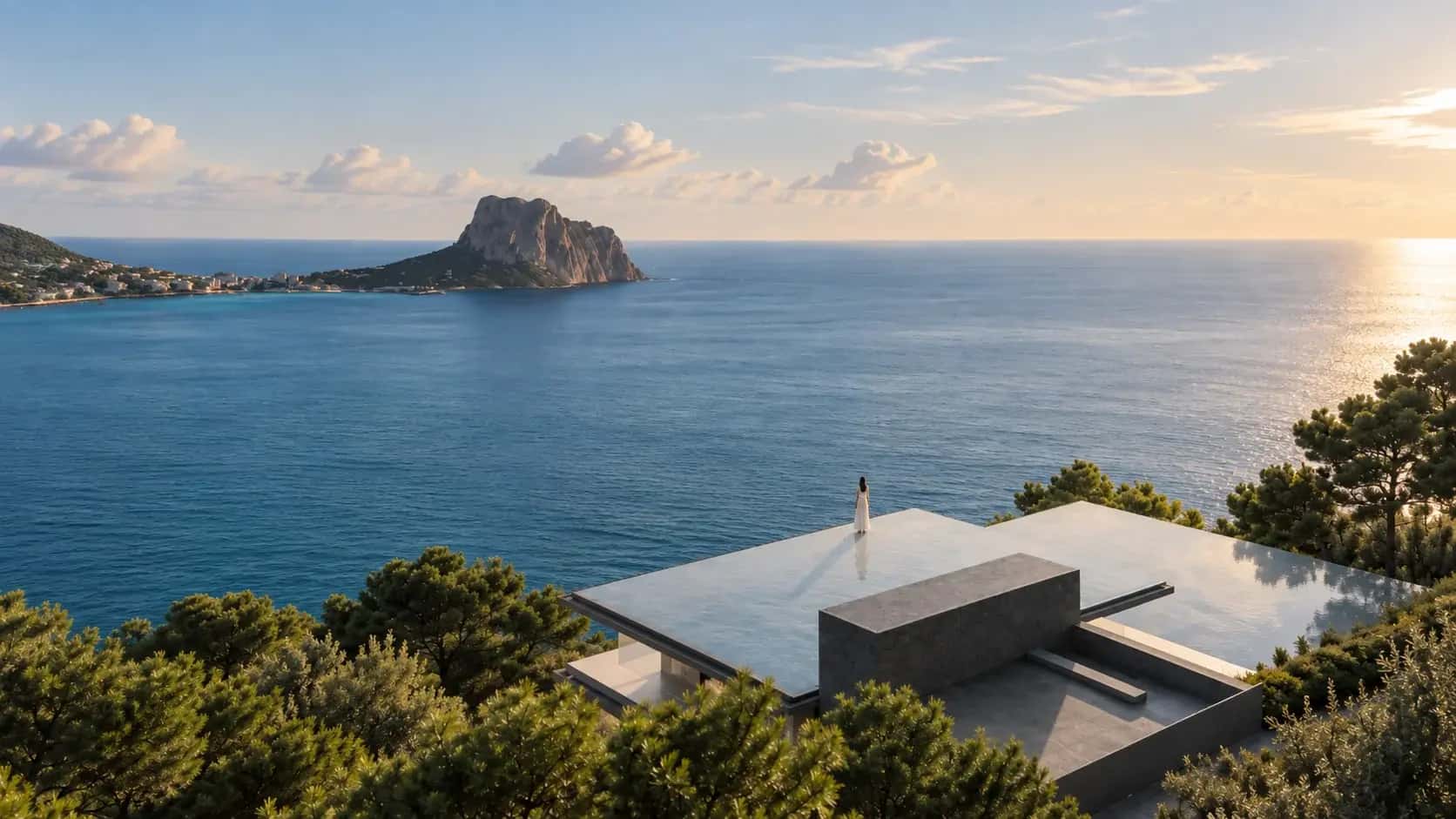
Architecture is the most visible form of intention. The choices made in material, proportion, and siting speak not just to the present occupant, but to everyone who will follow.
There is a difference between a house that is well built and a house that is built well. The first is a matter of execution: quality materials, skilled labour, correct specifications. The second is a matter of intent. It asks a harder question: what should this place be for, and for how long?
Material as Commitment
Every material choice in architecture is a commitment to a timeline. Concrete speaks of decades. Stone speaks of centuries. Timber, when treated correctly, bridges both: it ages visibly, which is either a flaw or a virtue depending on your relationship with time.
The homes we find most significant, the ones that earn their place in a family's story, are almost always built with materials chosen not for their novelty but for their staying power. Local stone. Reclaimed timber. Handmade brick. These are not merely aesthetic preferences. They are philosophical ones.
The rarest homes are not the most expensive. They are the ones that understand their landscape.
Proportion and the Sense of Arrival
Proportion is perhaps the most misunderstood quality in residential architecture. It is not about size. A small room can have extraordinary proportion. A grand house can feel entirely graceless. Proportion is the relationship between all the parts: how a ceiling height speaks to a window width, how a doorframe acknowledges the human body passing through it.
When we evaluate a property for inclusion in the Nobl collection, proportion is one of the first things we feel, even before we understand it analytically. It is the quality that determines whether a house is merely impressive or genuinely inhabitable.
Siting and the Intelligence of Place
A house that ignores its landscape is always fighting itself. The most enduring architecture is placed with a kind of intelligence, oriented to capture the best light, positioned to command the most meaningful views, set back or forward according to how the land itself suggests.
This intelligence cannot be retrofitted. It is decided at the moment of siting, and it shapes the experience of the house forever. When we say a property has architectural integrity, this is often what we mean: that the building and its place have an honest relationship.
To own a house with genuine permanence is to participate in something larger than a transaction. It is to take responsibility for a place: for the way it ages, the way it is maintained, the story it will carry forward to the next family that calls it home. That responsibility, we believe, is not a burden. It is the point.
architecturepermanencecraftmaterials